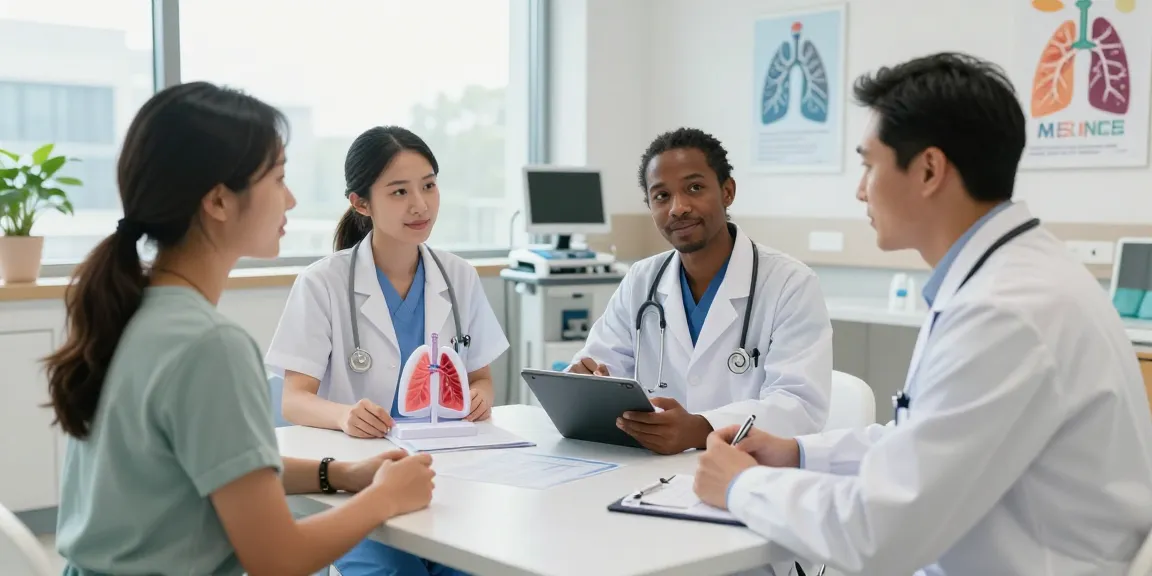
Understanding the Lung Transplant Program
The lungs are essential organs that allow us to breathe and sustain our lives. For individuals suffering from severe lung diseases, a lung transplant program offers a beacon of hope. This rigorous medical protocol focuses not only on surgical procedures but also on extensive evaluations, post-operative care, and long-term support for patients. In the rapidly evolving field of medicine, understanding the intricacies of a lung transplant program is critical for patients and families navigating this complex journey. When exploring options, the lung transplant program provides comprehensive insights into the process and care needed for those facing severe lung conditions.
What is a Lung Transplant Program?
A lung transplant program encompasses a series of coordinated medical services aimed at providing patients with an organ transplant. This program is particularly crucial for individuals suffering from end-stage lung diseases such as chronic obstructive pulmonary disease (COPD), pulmonary fibrosis, and cystic fibrosis. The overarching goal is to replace the diseased lung with a healthy one from a donor, thereby restoring normal respiratory function. The program includes various stages, including evaluation, surgery, and lifelong follow-up care.
Eligibility Criteria for Candidates
Determining eligibility for a lung transplant is a comprehensive process. Candidates typically undergo a series of evaluations that assess their overall health, the severity of their lung disease, and their ability to adhere to post-operative care. Generally, the following criteria are considered:
- Patients must have a terminal lung condition that significantly impairs their quality of life.
- They should be in overall good health except for their lung disease.
- Age is considered, with many programs favoring candidates between 18 and 65 years of age.
- Psychosocial factors, including support systems at home, are evaluated to ensure patients can cope with the demands of recovery.
Common Myths About Lung Transplants
Despite advancements in lung transplant medicine, several myths persist that may deter potential candidates from seeking the procedure:
- Myth 1: Transplants are too risky and not worth the potential benefits.
- Myth 2: Only older patients need lung transplants.
- Myth 3: Lung transplants are only for a select few and not accessible to everyone.
- Myth 4: Patients can live without strict post-operative care.
The Process of Receiving a Lung Transplant
The pathway to receiving a lung transplant is both complex and structured, designed to ensure the best outcomes for patients. It begins with a thorough evaluation process and culminates in comprehensive post-operative care.
Evaluating Potential Candidates
The evaluation process is crucial for determining whether a patient is suitable for a lung transplant. This process includes medical history reviews, physical examinations, and a series of tests, such as:
- Blood tests to assess overall health and organ function.
- Imaging tests like X-rays and CT scans to evaluate lung condition.
- Psychological assessments to determine mental readiness.
The Surgical Procedure Explained
Once a patient is deemed eligible and a suitable donor is found, the transplant surgery is scheduled. The surgery typically involves:
- Administering general anesthesia to the patient.
- Making an incision in the chest to access the lungs.
- Removing the diseased lung and replacing it with the donor lung.
- Closing the chest after ensuring proper lung function.
Typically, the surgery lasts between 4 to 10 hours, depending on the complexity and whether it's a single or double lung transplant.
Post-operative Care and Recovery
Recovery after a lung transplant is as critical as the surgery itself. Patients usually stay in the hospital for about a week, during which they are closely monitored for complications such as infections or rejection of the new organ. Post-operative care includes:
- Regular follow-up visits with healthcare providers.
- Immunosuppressive medications to prevent organ rejection.
- Physical therapy to regain strength and lung function.
Innovations in Lung Transplant Techniques
As technology and medical science progress, lung transplant techniques continue to evolve, improving outcomes and enhancing patient safety.
Latest Surgical Techniques in 2026
2026 has seen significant advancements in surgical techniques, focusing on minimally invasive approaches. New methodologies such as video-assisted thoracoscopic surgery (VATS) allow for smaller incisions, resulting in quicker recovery times and reduced post-surgical pain.
Advancements in Pre-operative Assessments
Pre-operative assessments in lung transplant programs have become increasingly sophisticated. Utilizing comprehensive imaging technologies and genetic testing, healthcare providers can better match donors and recipients, which improves the likelihood of successful outcomes.
Future Trends in Lung Transplant Medicine
Future trends in lung transplantation focus on improving long-term survival rates and enhancing the quality of life for recipients. Innovations in bioengineering and regenerative medicine are on the horizon, potentially allowing for the growth of synthetic lungs or the use of stem cells to repair damaged lungs.
Challenges Faced by Lung Transplant Recipients
Despite the life-saving potential of lung transplants, recipients face various challenges both during and after the procedure.
Managing Complications and Risks
Complications following a lung transplant can range from minor to life-threatening. Common issues include:
- Rejection of the new lung, which can be acute or chronic.
- Infections due to a suppressed immune system.
- Chronic lung transplant dysfunction, affecting long-term function.
Psychological and Emotional Support Systems
The psychological impact of undergoing a lung transplant can be profound. Recipients often experience anxiety and depression related to their health status and recovery. Support systems, including counseling and support groups, play a critical role in helping patients navigate these emotional challenges.
Long-term Health Maintenance
Long-term success after a lung transplant involves diligent health management, including regular check-ups and lifestyle adjustments. Recipients are advised to maintain a healthy lifestyle, including:
- Regular exercise to enhance lung capacity.
- A balanced diet to manage overall health.
- Strict adherence to medicational regimens to prevent rejection.
Real Stories and Success Rates
Real-life experiences of lung transplant recipients provide insight into the program's effectiveness and the impact on individual lives.
Patient Testimonials and Experiences
Many lung transplant recipients report life-changing experiences post-surgery. Testimonials often highlight increased energy levels, improved quality of life, and the joy of returning to daily activities that seemed impossible before the procedure.
Statistics on Lung Transplant Success Rates
Data from recent studies indicates that the success rate for lung transplants continues to rise, with over 85% of patients surviving the first year post-surgery. Long-term survival rates also show improvement, with a significant percentage of patients living beyond five years.
Case Studies of Innovative Practices
Numerous innovative practices in lung transplant programs have yielded positive outcomes. For instance, some centers are adopting the use of extended criteria donors, enabling more patients to receive the life-saving transplant they need.
Frequently Asked Questions
Common questions surrounding lung transplants can help demystify the process:
What are the benefits of a lung transplant program?
A lung transplant program provides individuals with chronic lung conditions the opportunity to regain their health and enhance their quality of life, often leading to increased physical activity and improved emotional well-being.
How long is the wait for a lung transplant?
The waiting time for a lung transplant can vary significantly based on factors such as blood type, geography, and the availability of donor lungs. On average, patients may wait several months to a few years.
What lifestyle changes are needed after a lung transplant?
Patients are encouraged to adopt a healthier lifestyle post-transplant, including regular exercise, a nutritious diet, and avoiding smoking and excessive alcohol consumption. These changes are crucial in maintaining the health of the transplanted lung.